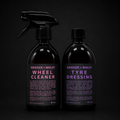




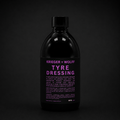


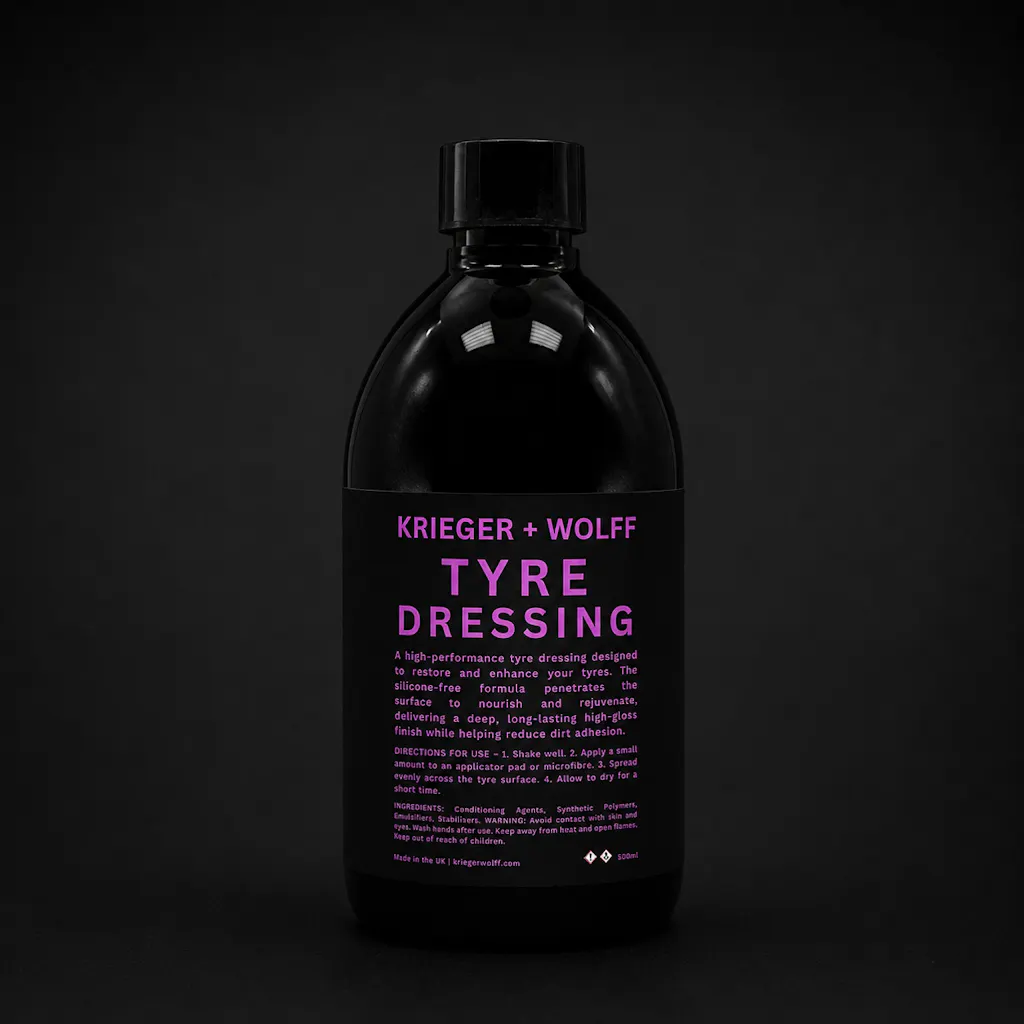
A lot of tyre dressings look cheap once applied but this has a much cleaner and more premium appearance. Glossy without looking excessive.
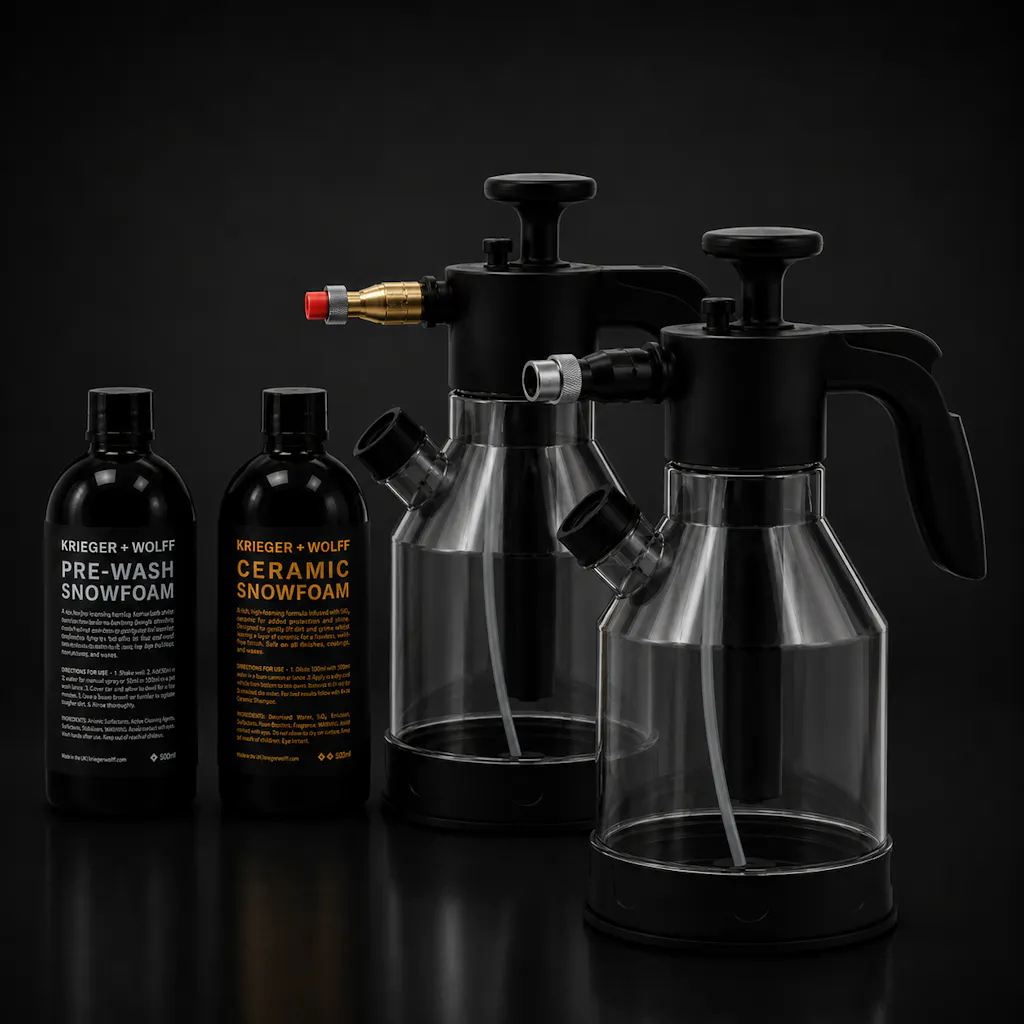
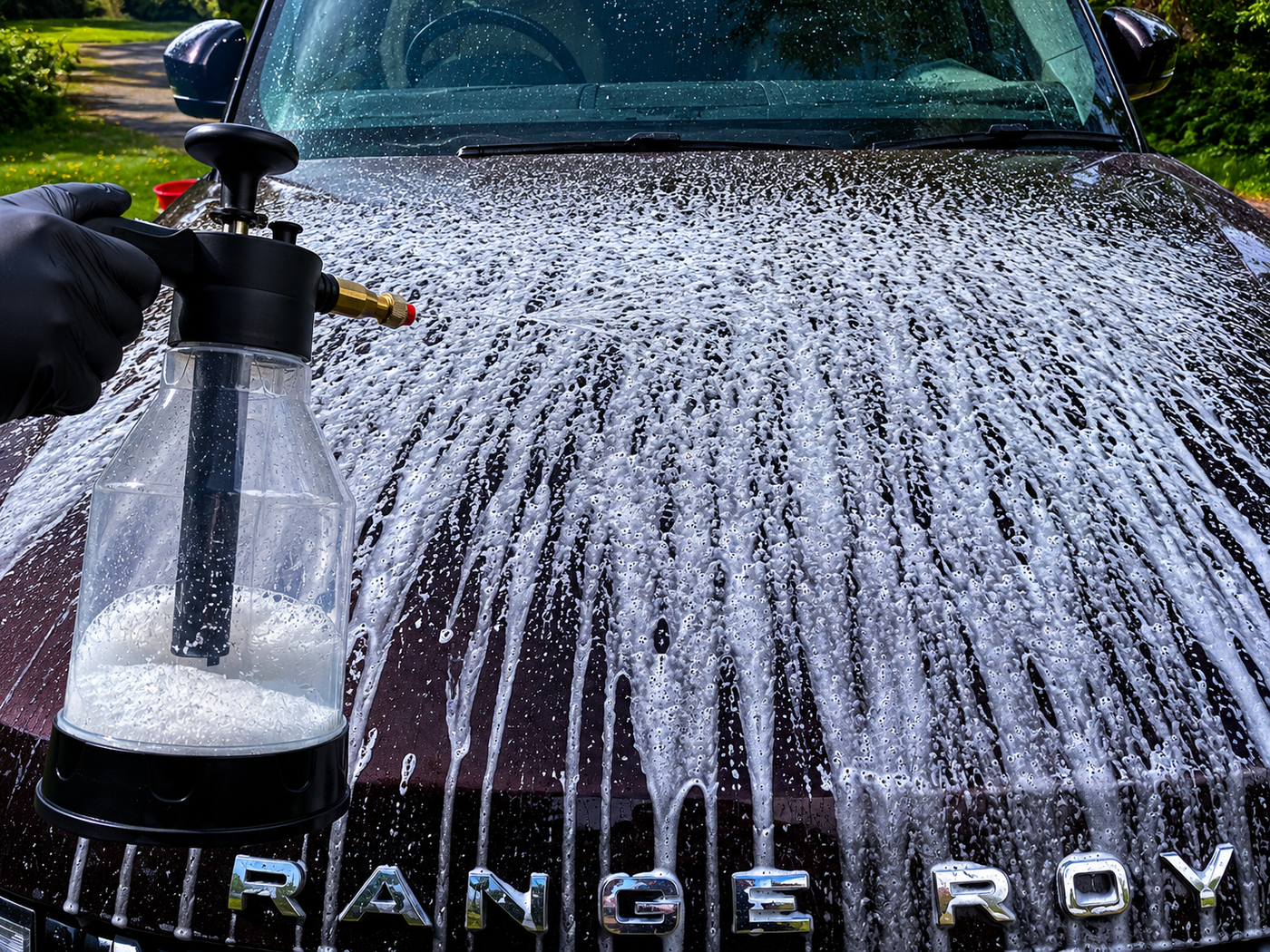
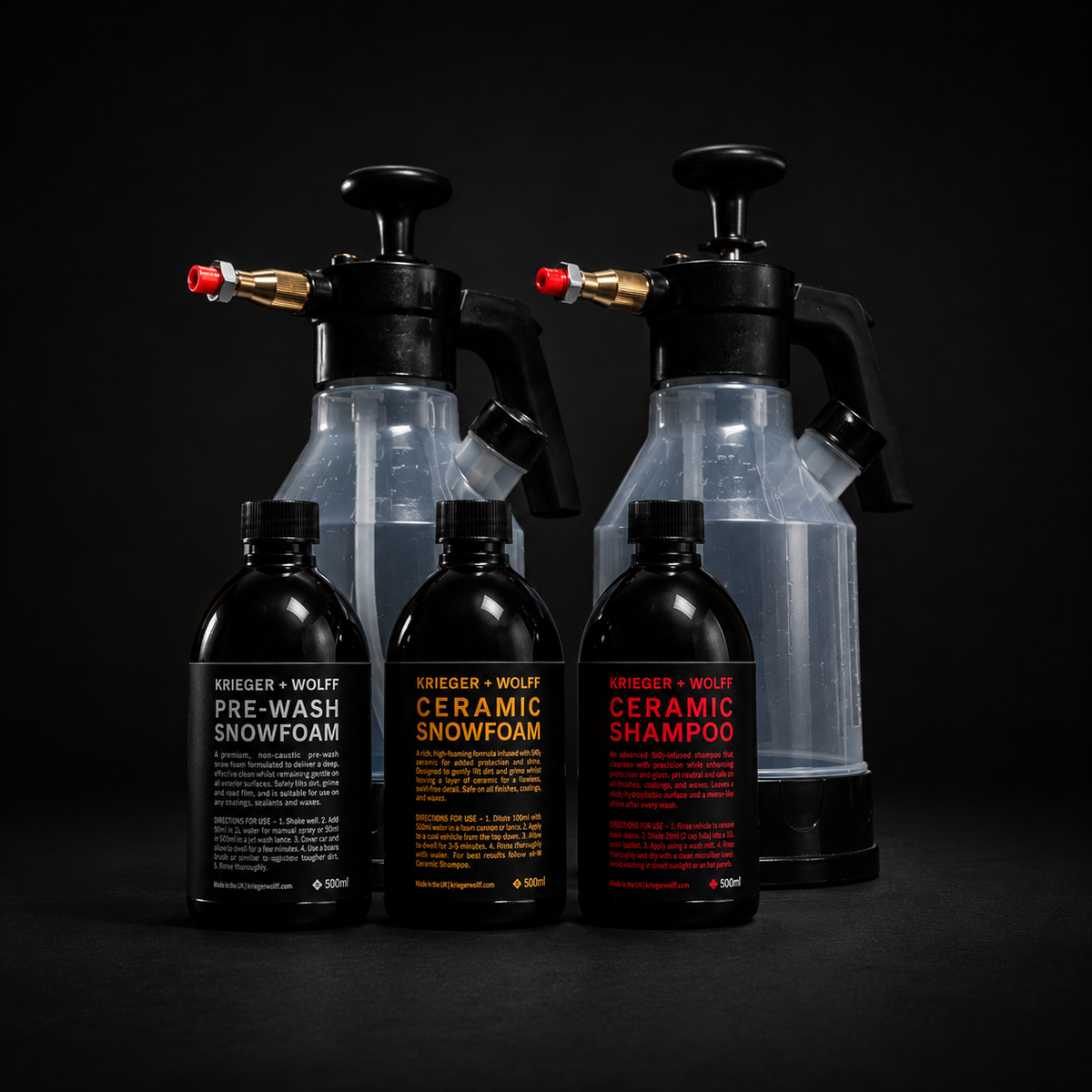
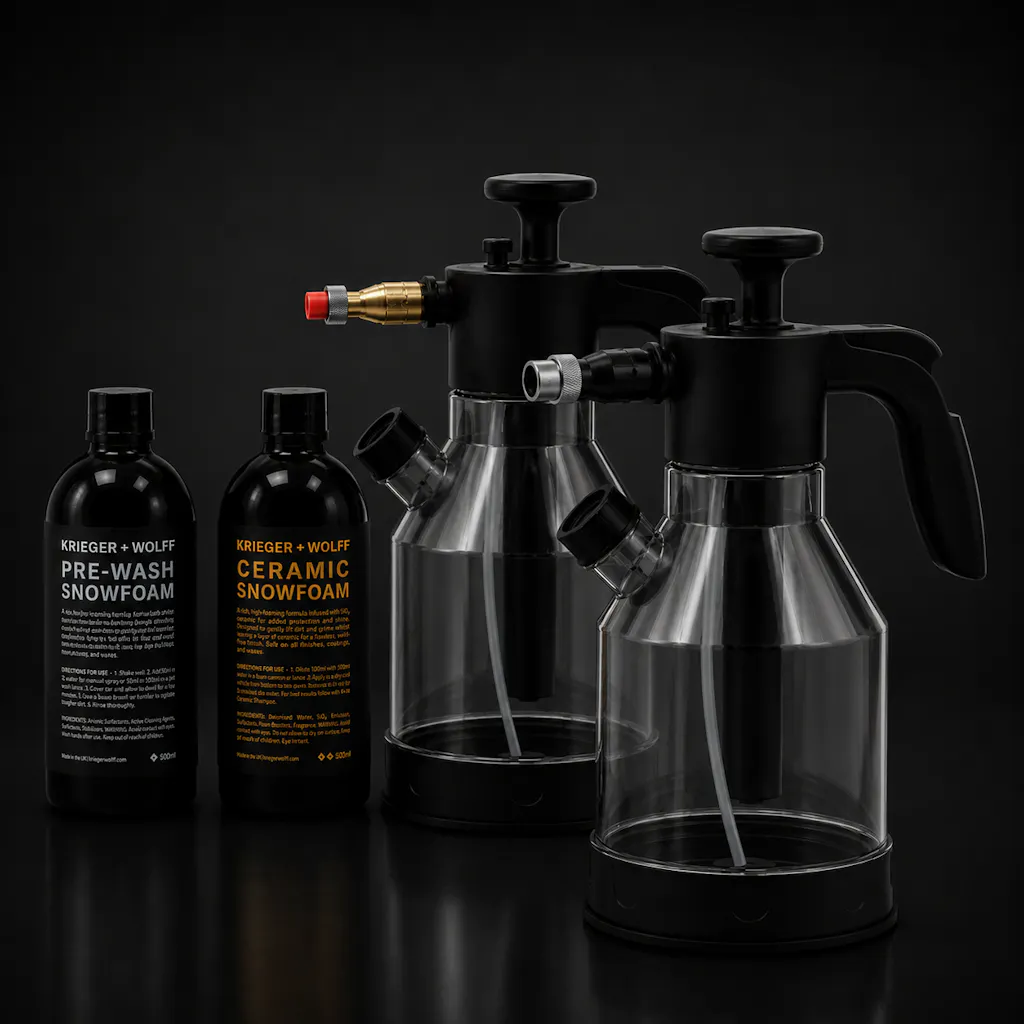
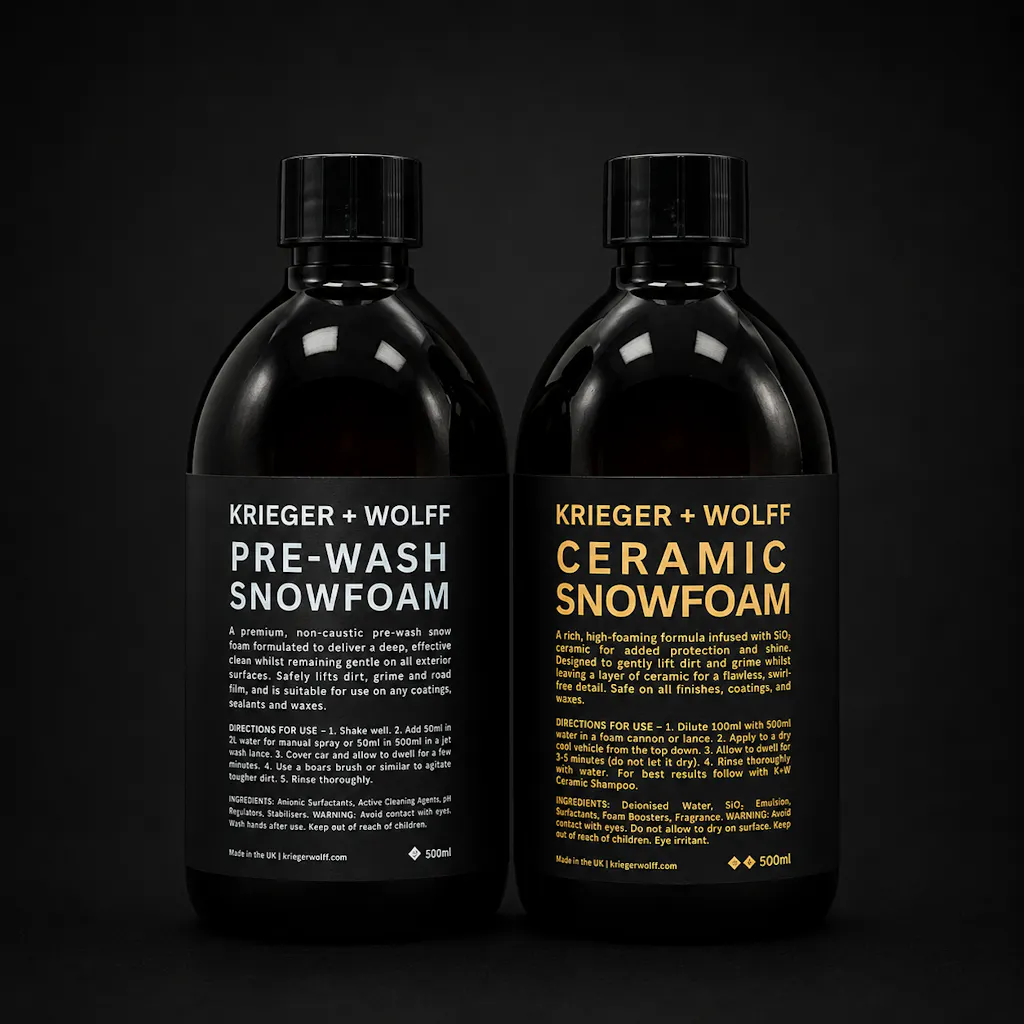
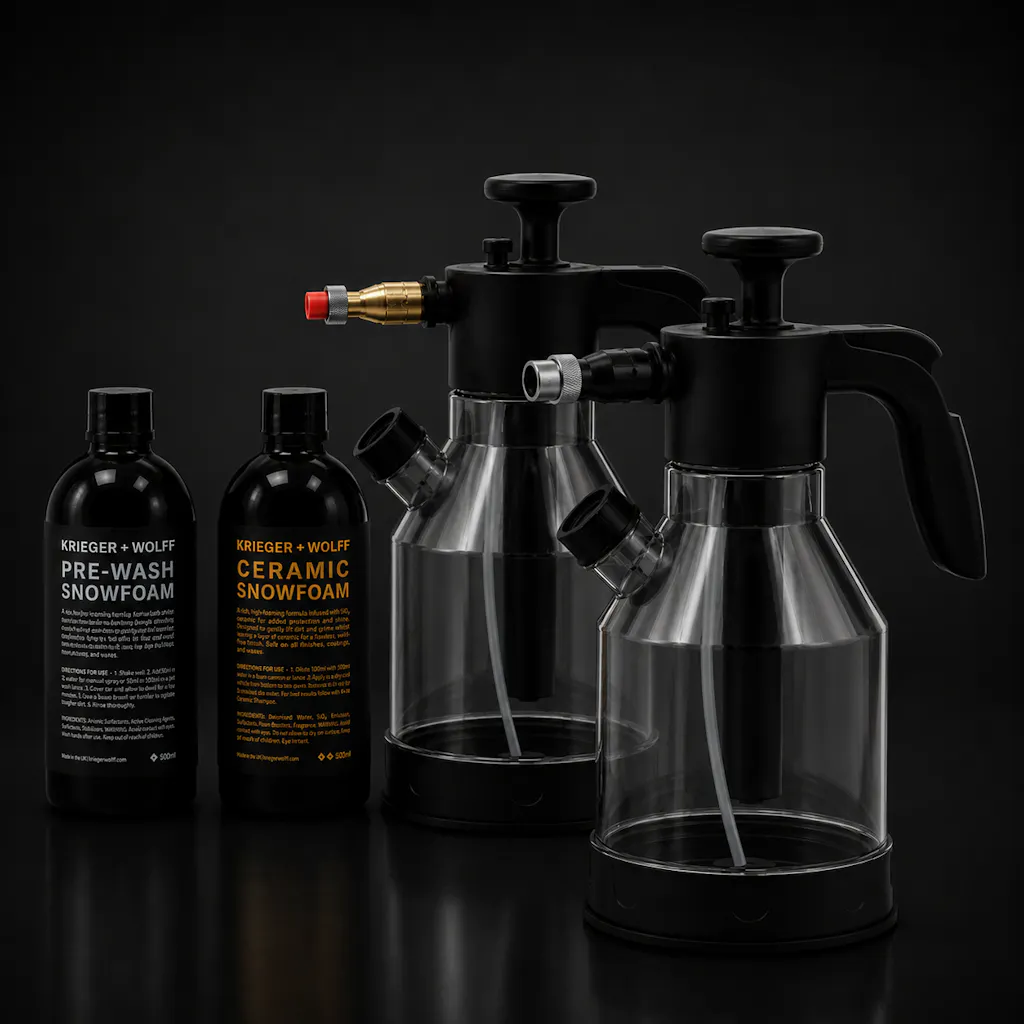
The snow foams work brilliantly together and the foam cannons produce thick consistent foam every time. Feels like a properly premium setup overall.
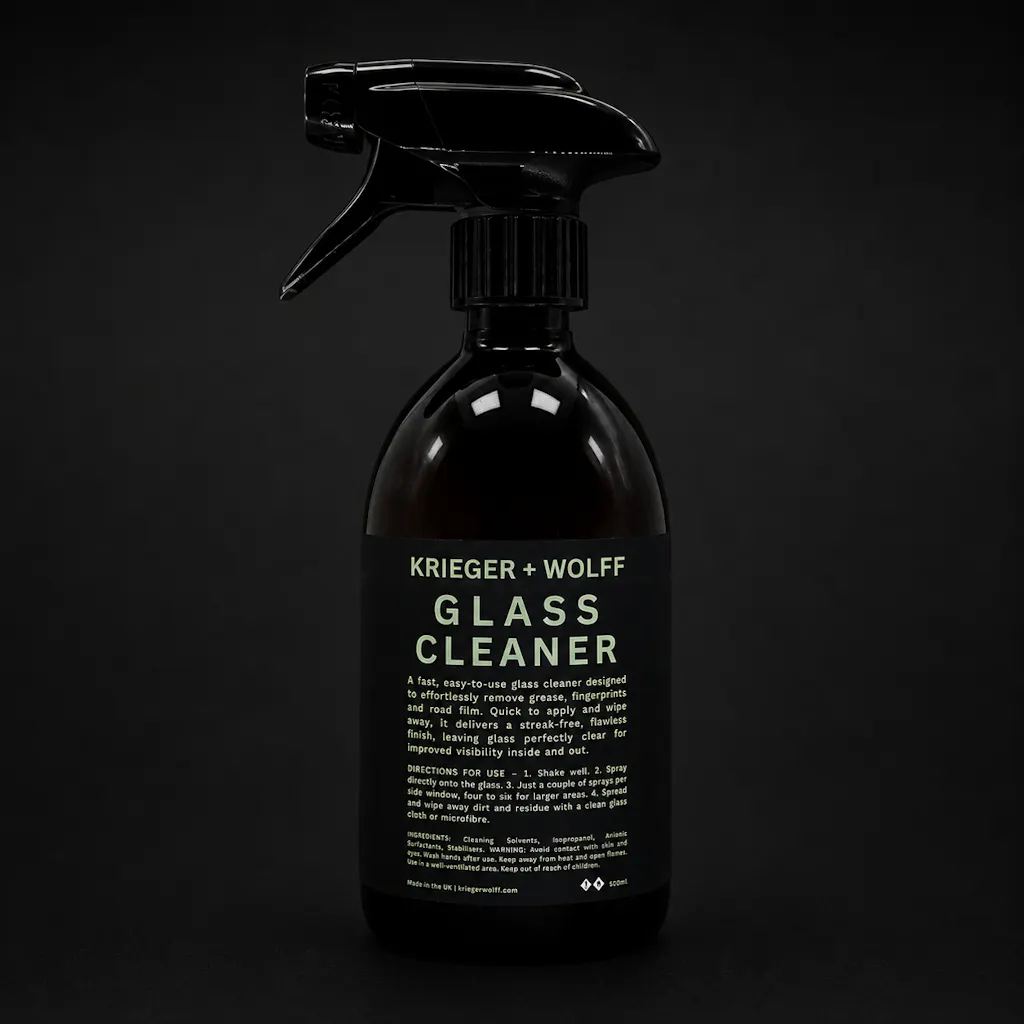
I wasn't expecting the glass cleaner to stand out as much as it did. Clears haze and grime extremely quickly without streaking.
I used this on my '84 Golf that I've been restoring and was genuinely amazed at how it brought the paint back to life. The shine and depth are better than anything I've used before. It also seems to hide fine swirls really well. Gives it a deep, rich look that lasts.
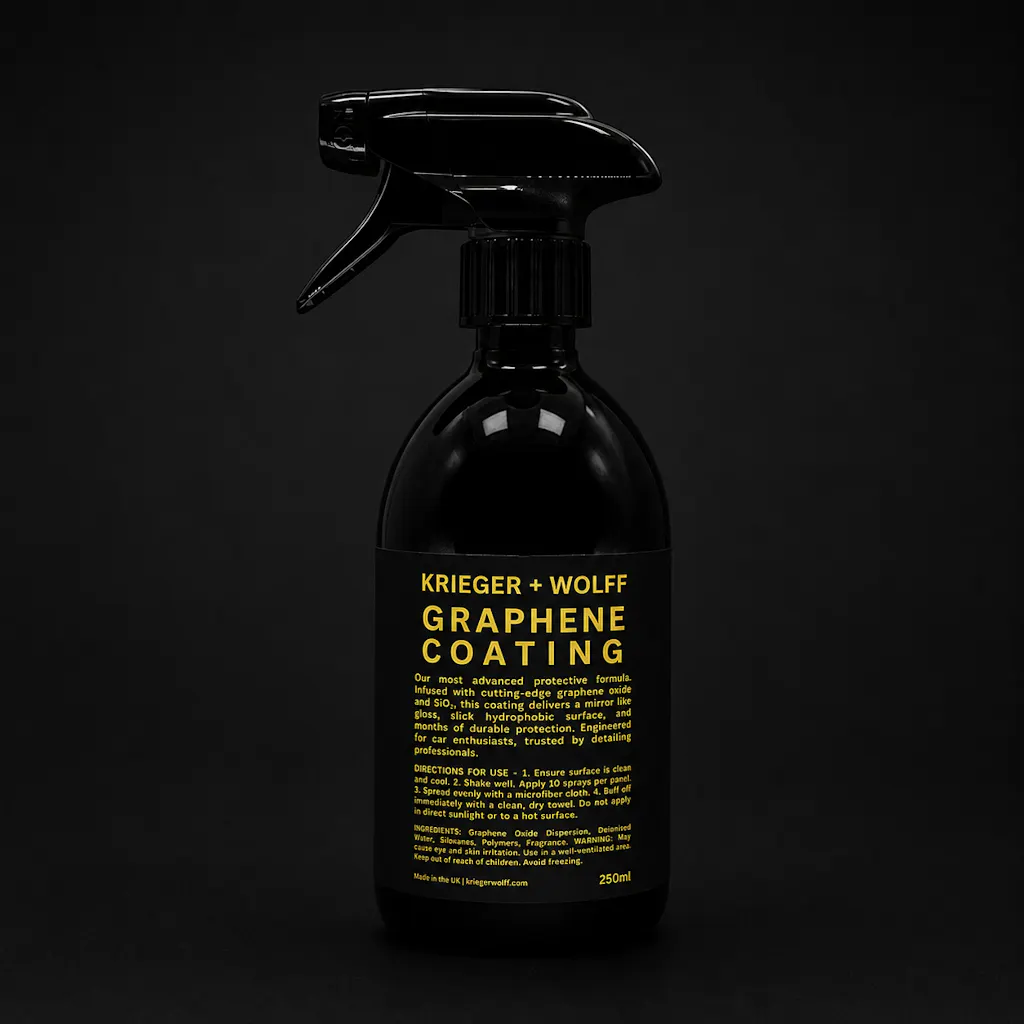
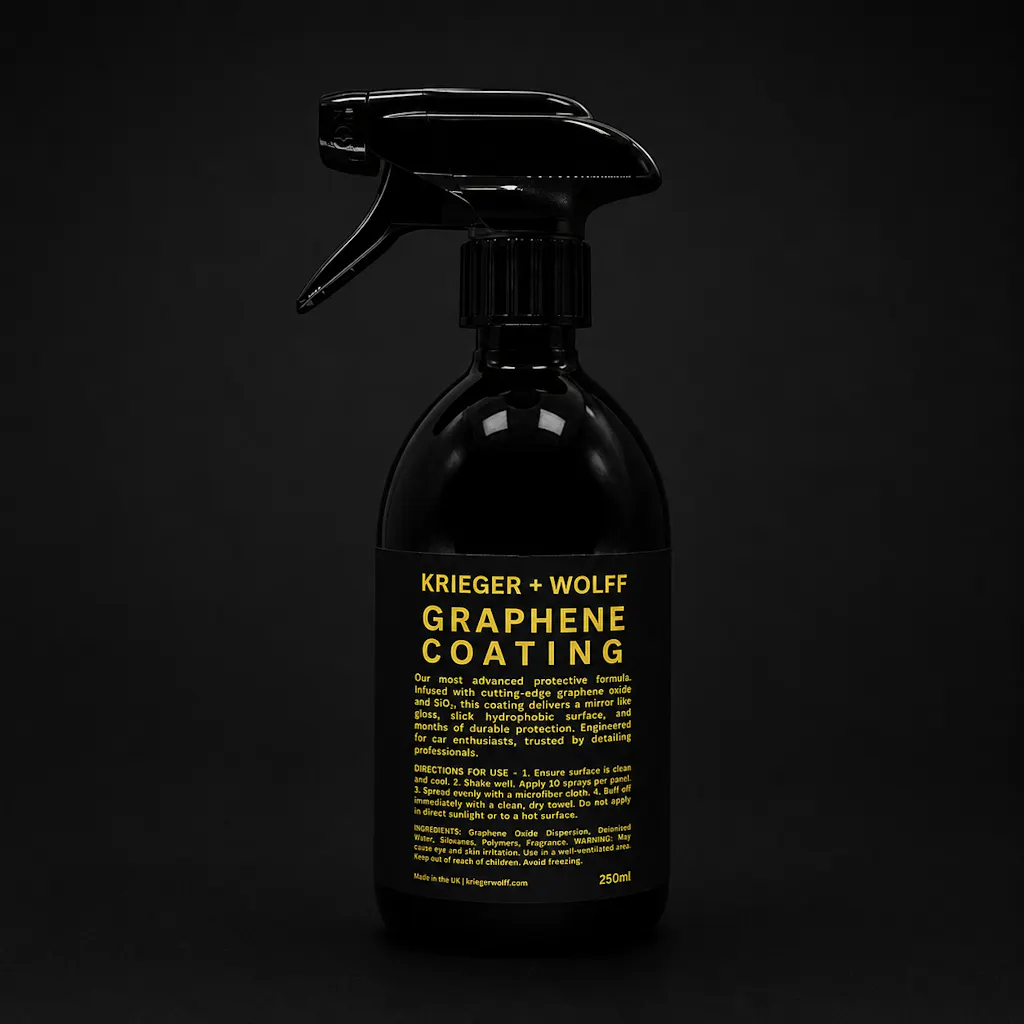
I was sceptical about the six month claims but so far the durability has been excellent even through poor weather and motorway driving.
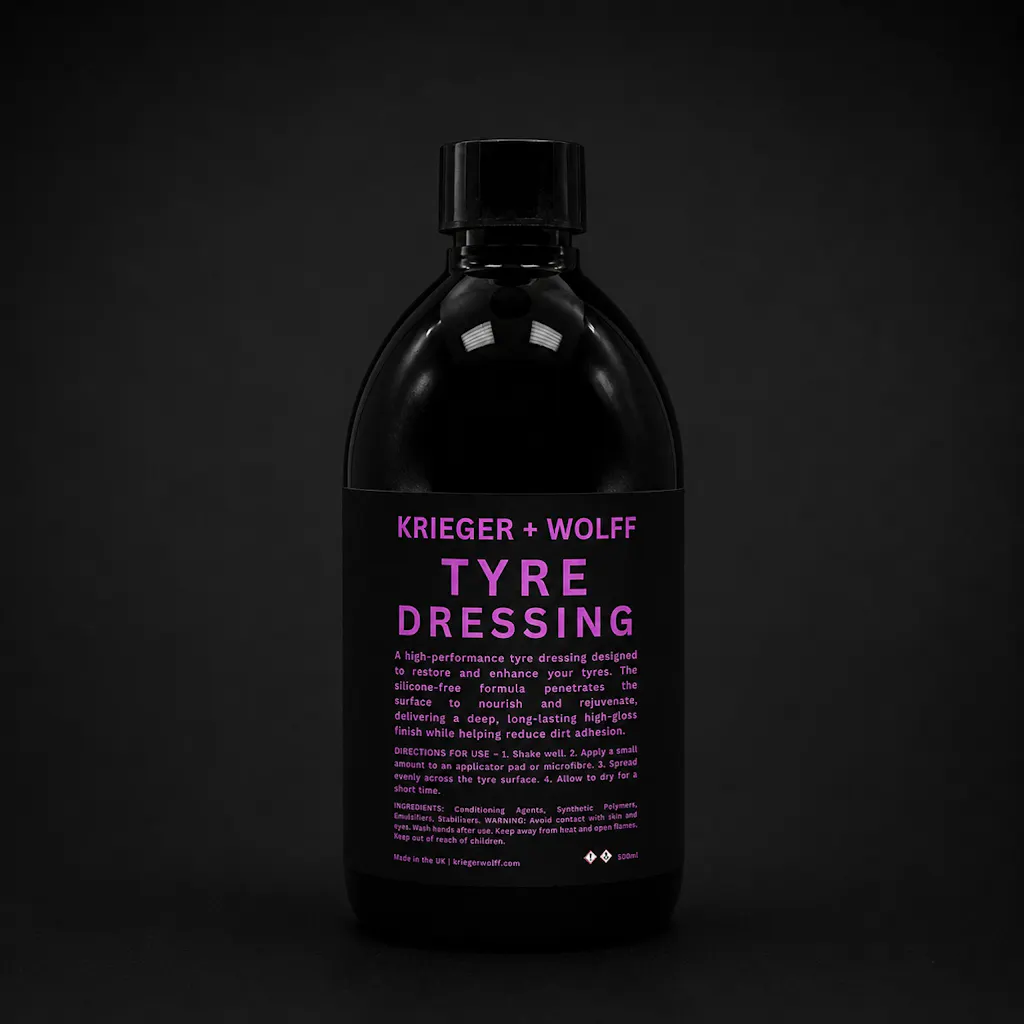
Some dressings absorb unevenly and leave patchy areas but this applied consistently across the entire tyre. Smooth finish and really easy to control.
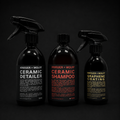
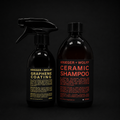
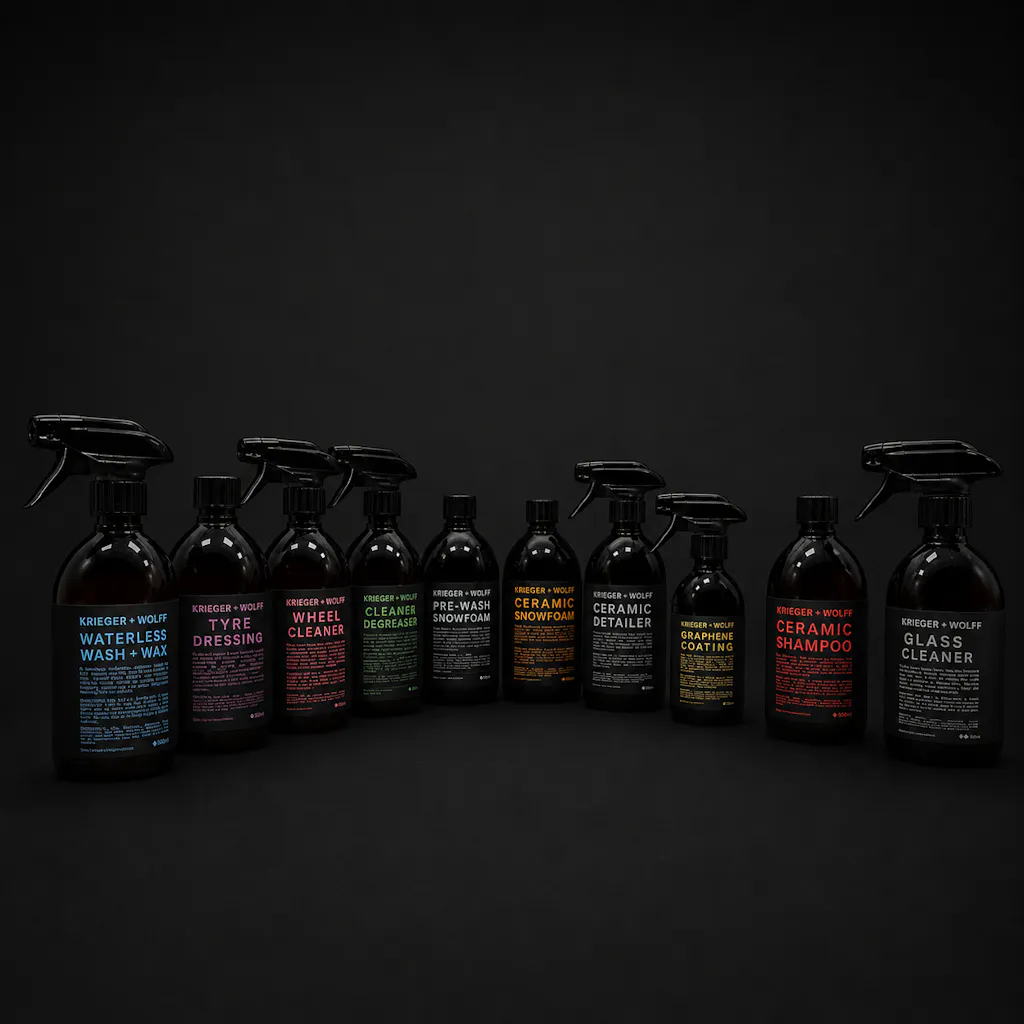
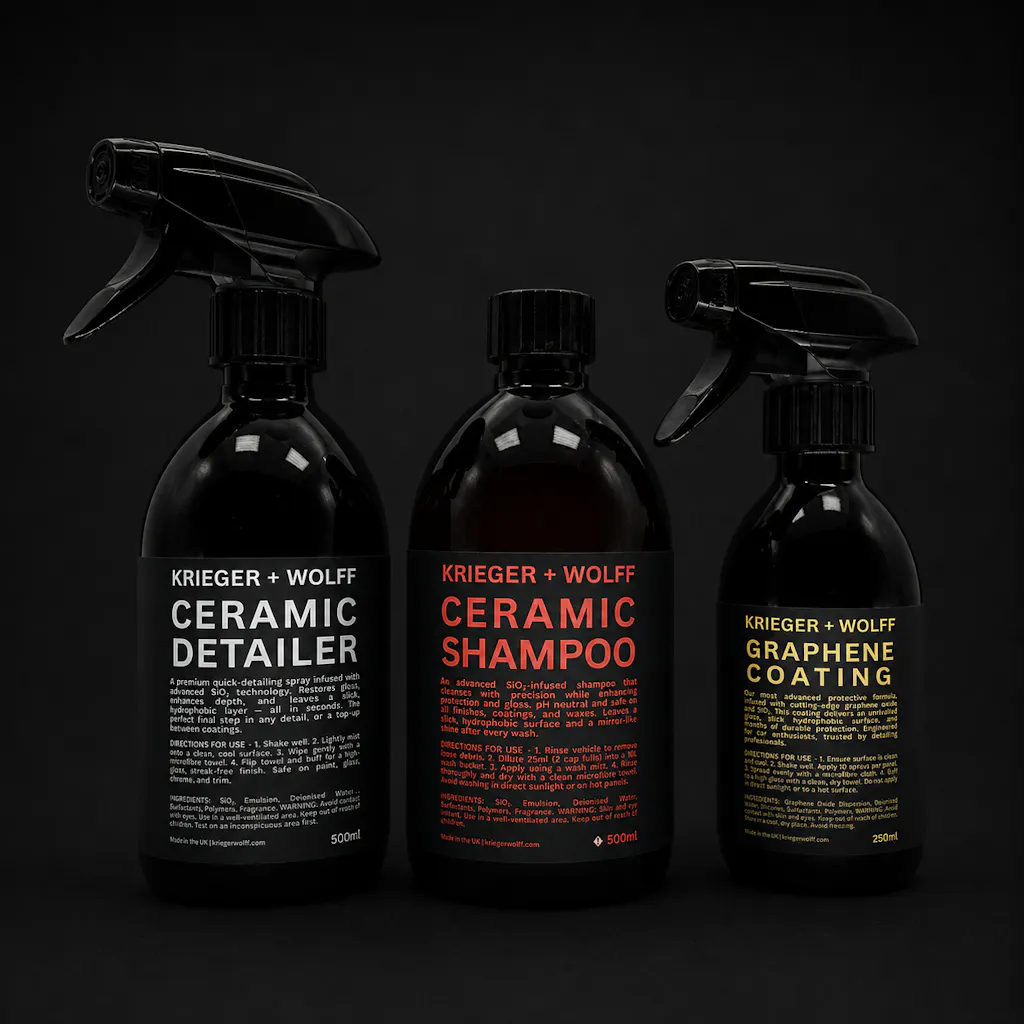
Having the shampoo and ceramic snow foam alongside the graphene protection takes all the guesswork out of maintenance washing. Very impressed with the results overall.
Only tried a few products but everything seems well developed.
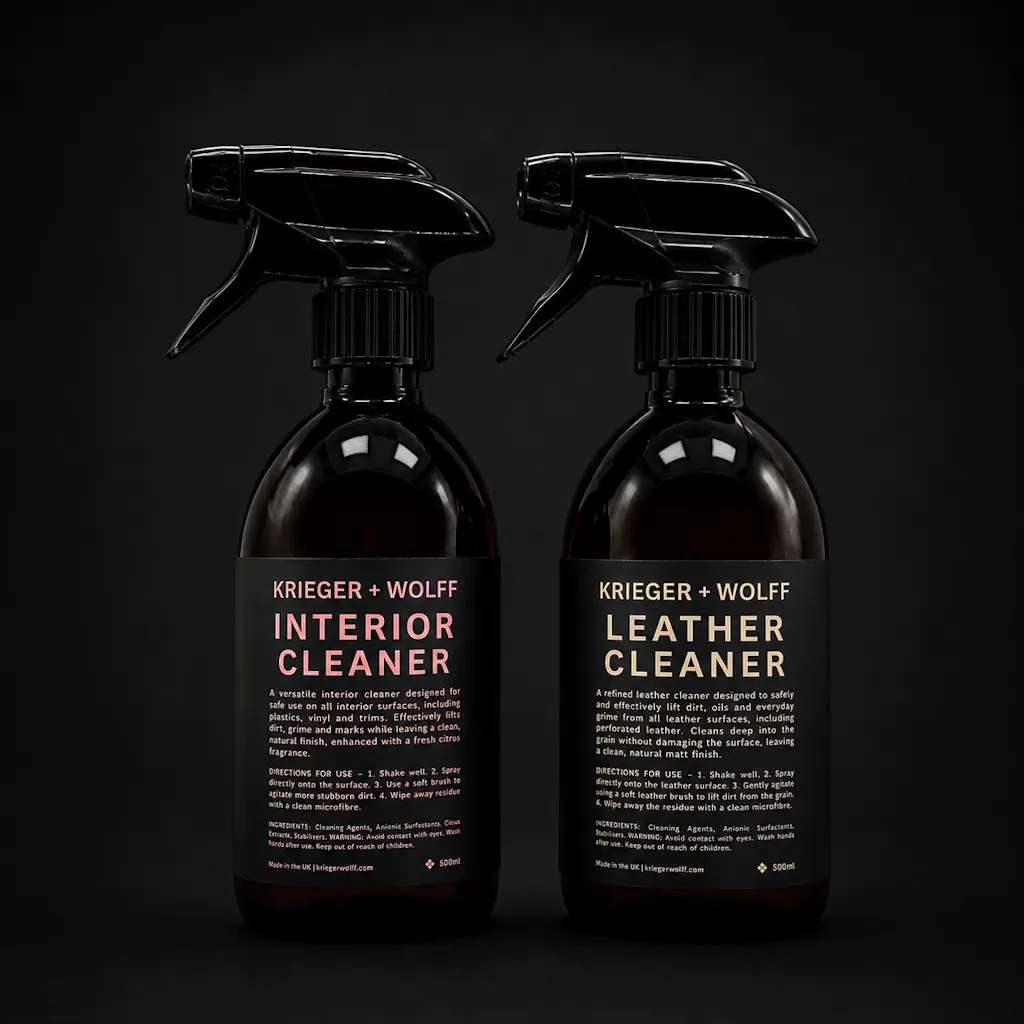
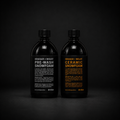
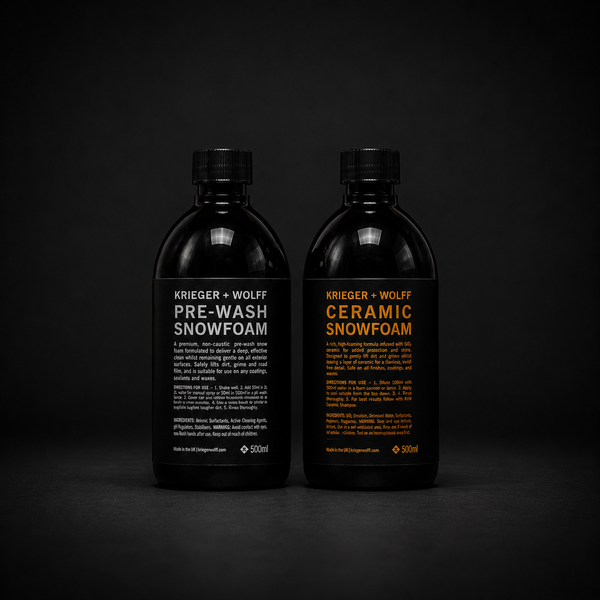
The ceramic foam leaves excellent gloss and water behaviour while the pre wash handles heavier contamination properly beforehand.
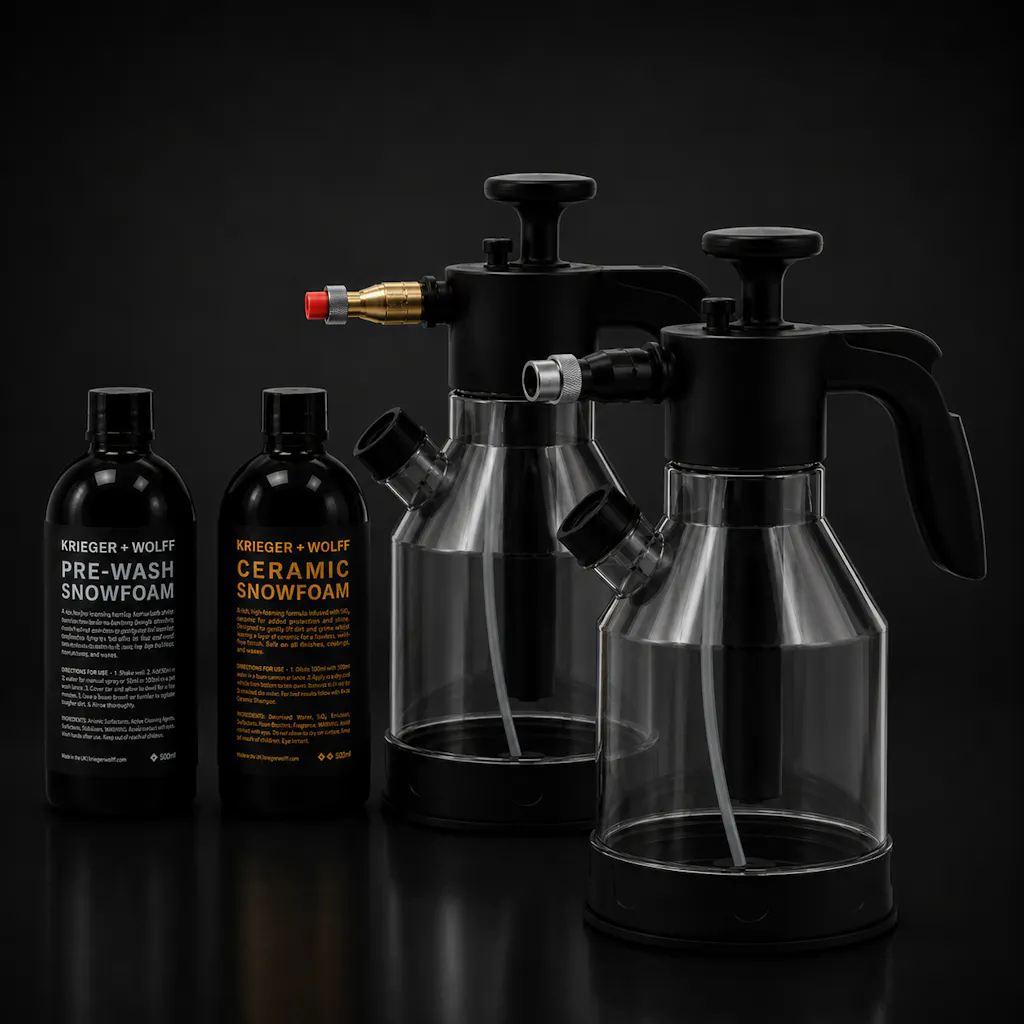
You can tell this was designed properly. Strong cleaning performance, easy application and genuinely useful for proper detailing work.
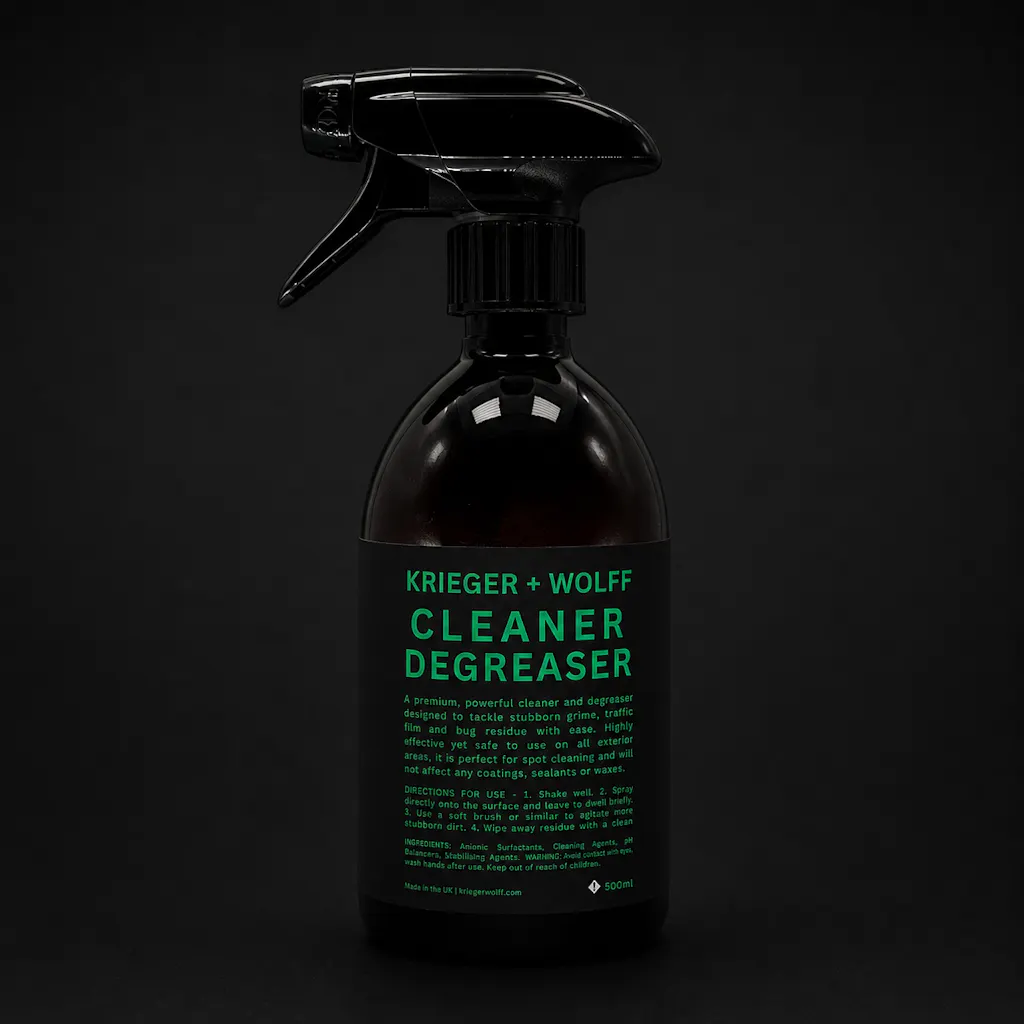
Dark colours show everything, but this graphene coating has made my navy blue car look flawless. Swirls are practically invisible, the gloss is deep, and I've never seen water bead so aggressively. Great for anyone who takes real pride in their car's finish.
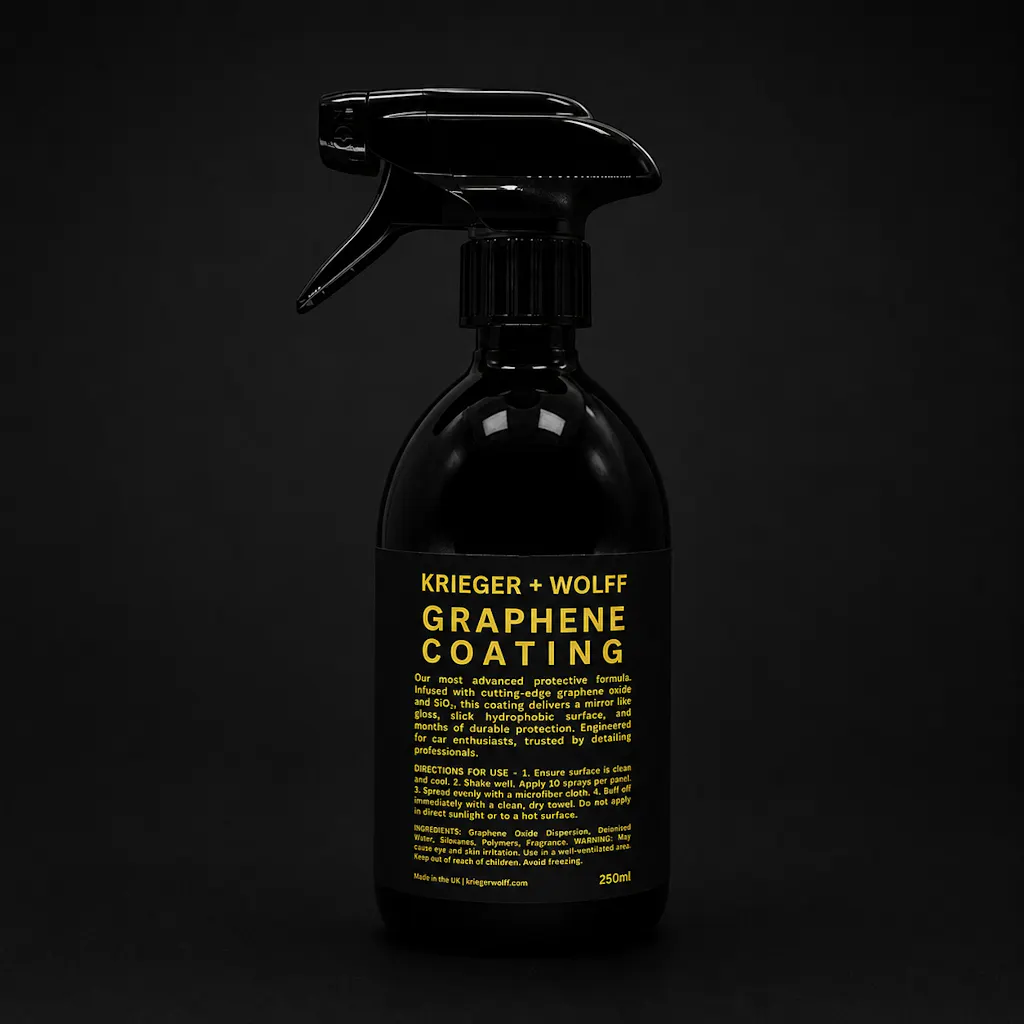
I wanted something simple that worked properly without dragging out hoses and pressure washers every weekend. This setup has been excellent.
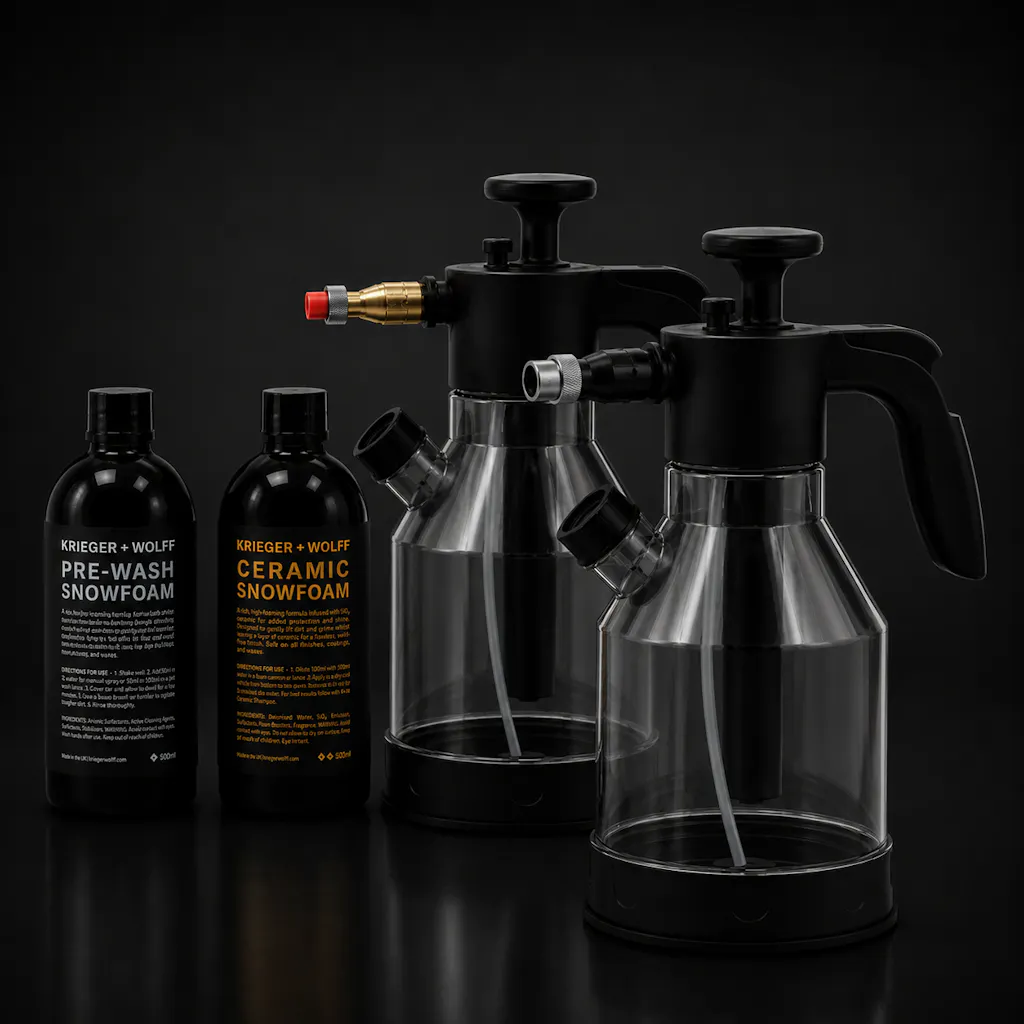
Used this on a black Golf GTI and the ceramic foam leaves a really deep glossy finish after every wash.
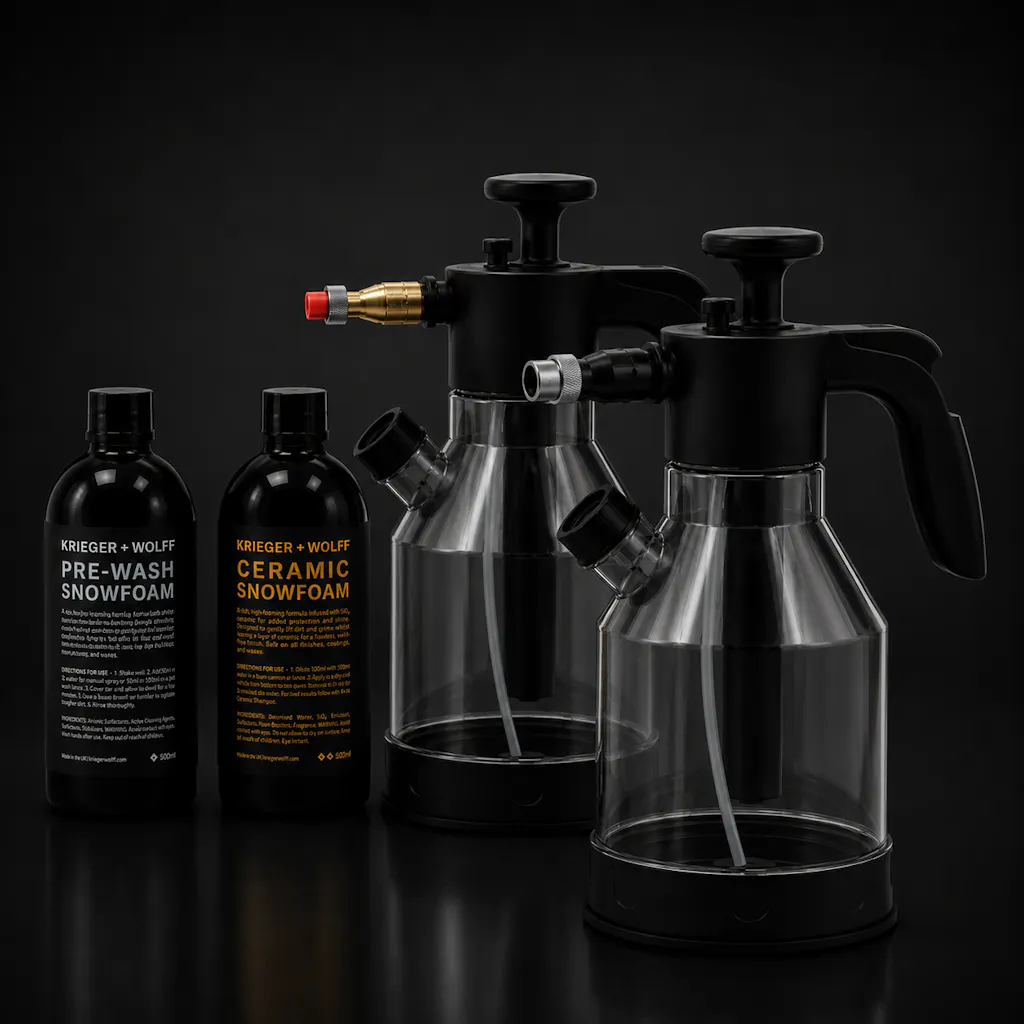
The pre wash genuinely loosens traffic film properly before contact washing and the ceramic foam finishes everything off perfectly.
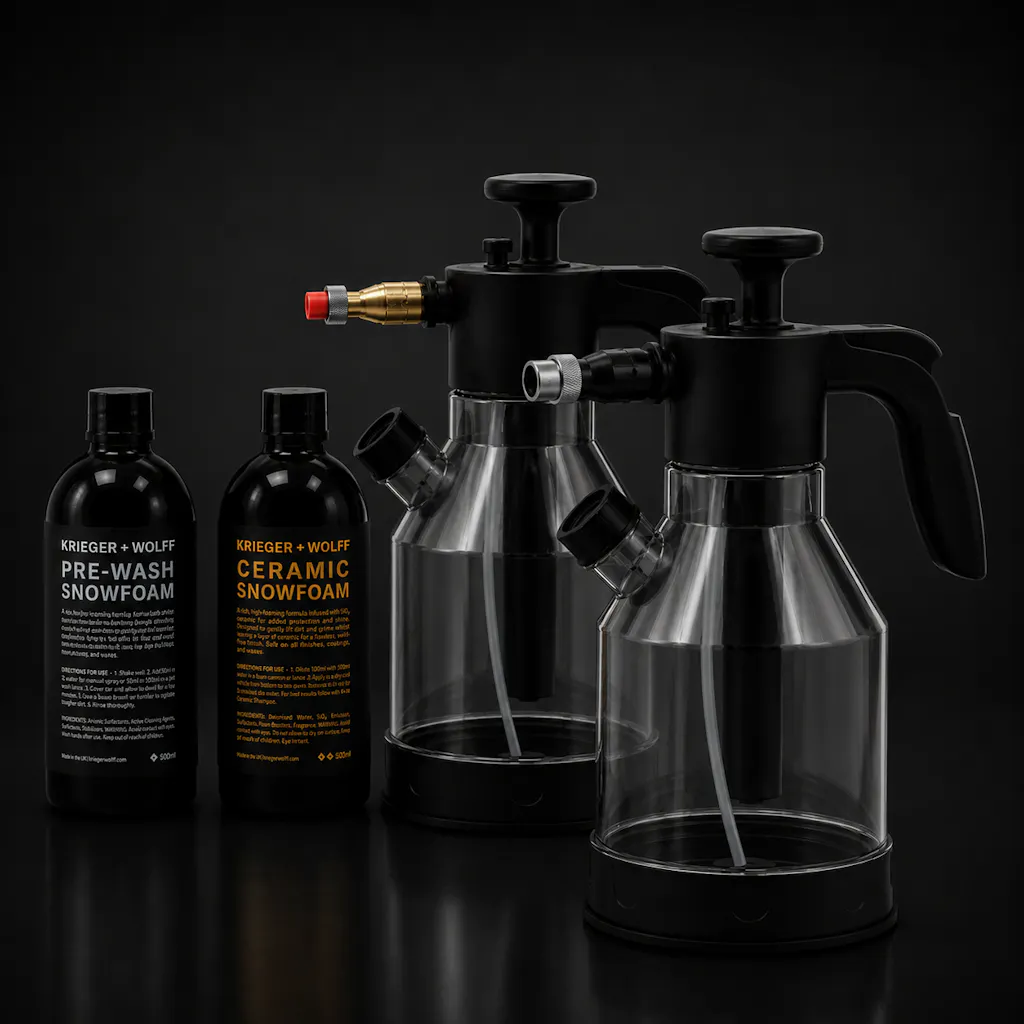
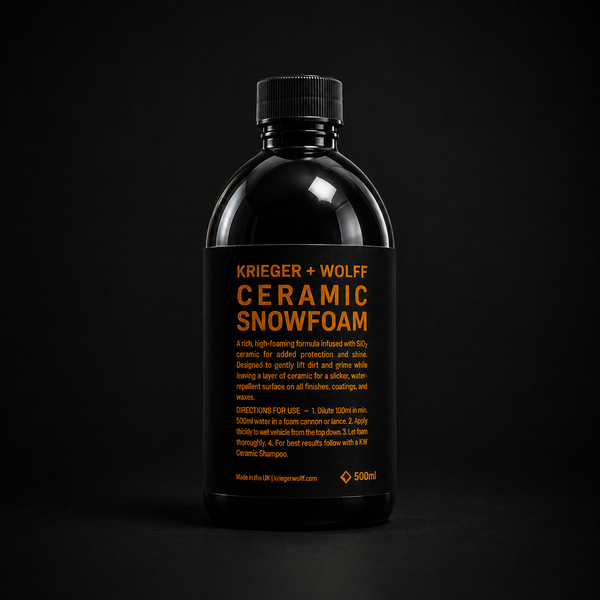
Both foams stay on the surface properly and give the products enough time to work. The ceramic foam especially leaves the paint incredibly smooth afterwards.
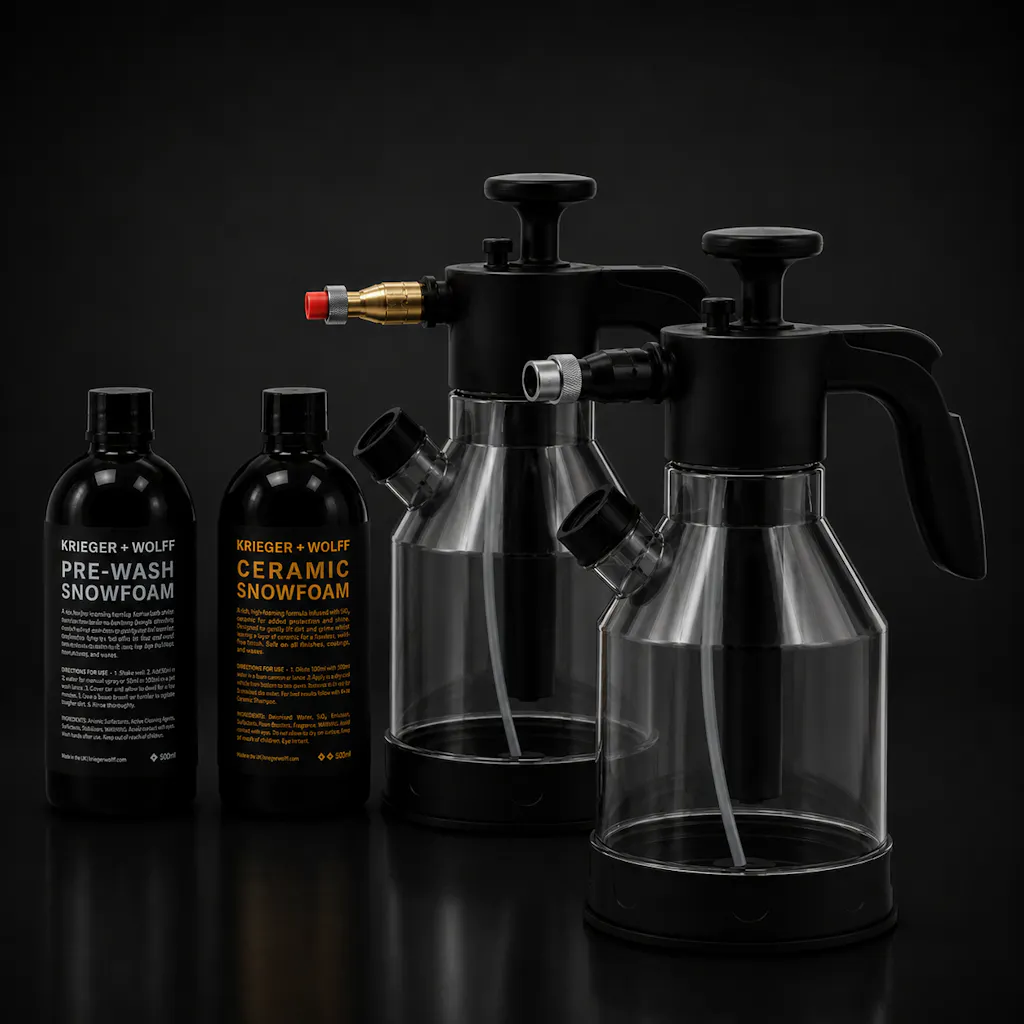
The pre wash snow foam softens grime quickly and reduces the amount of effort needed during the contact wash stage.
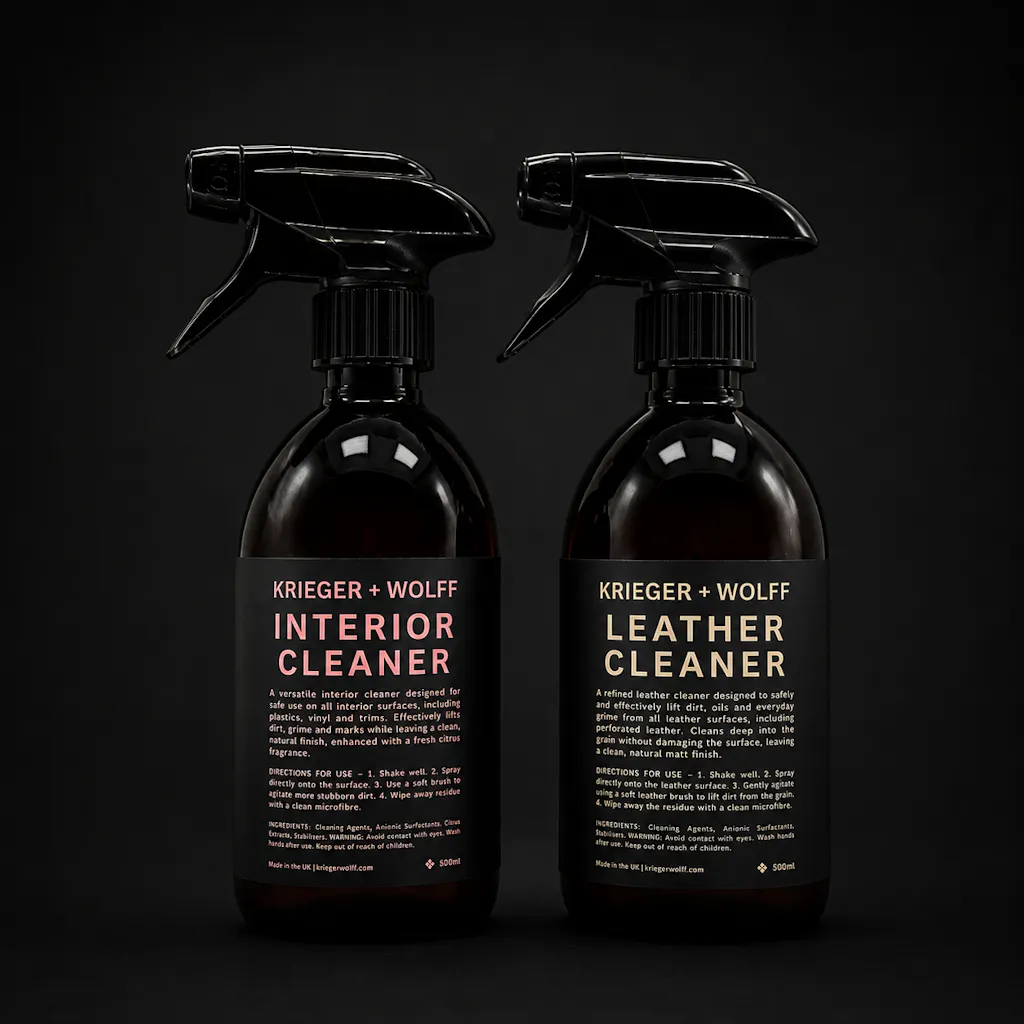
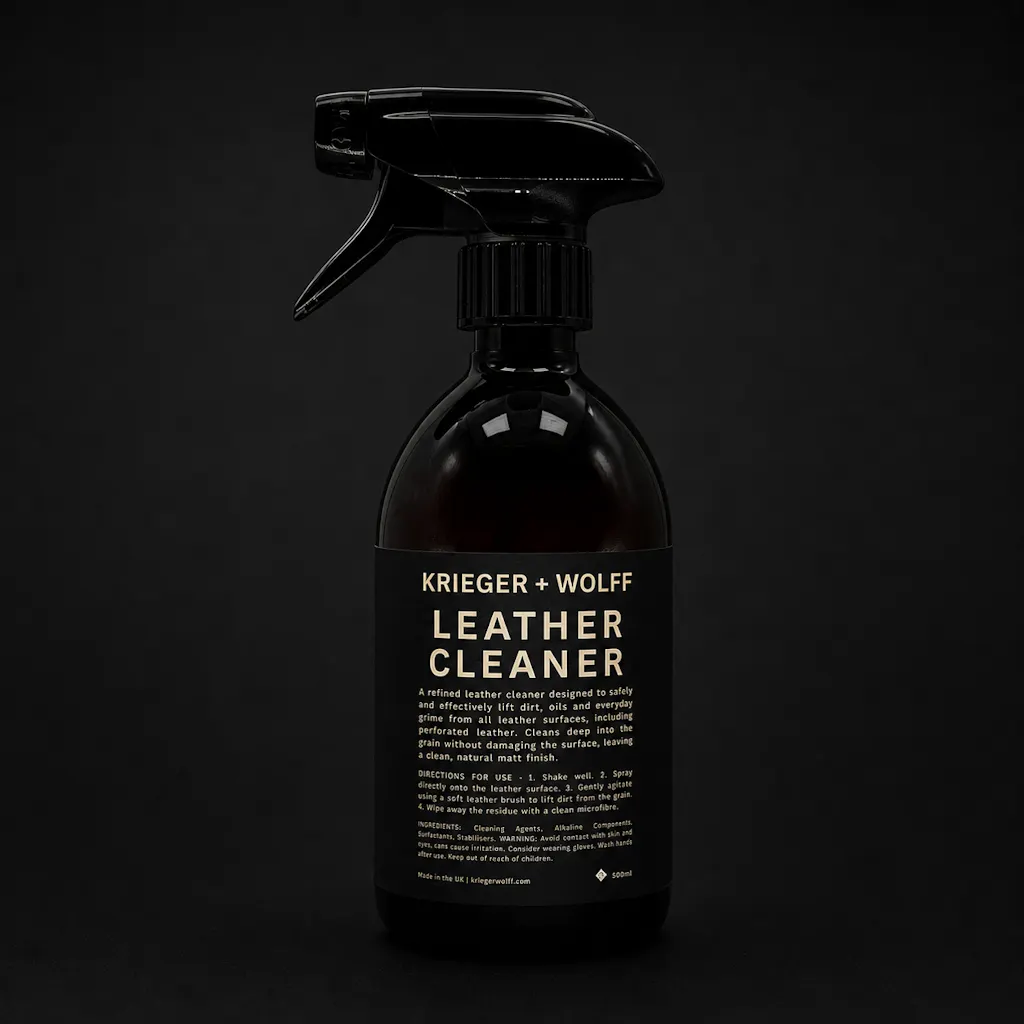
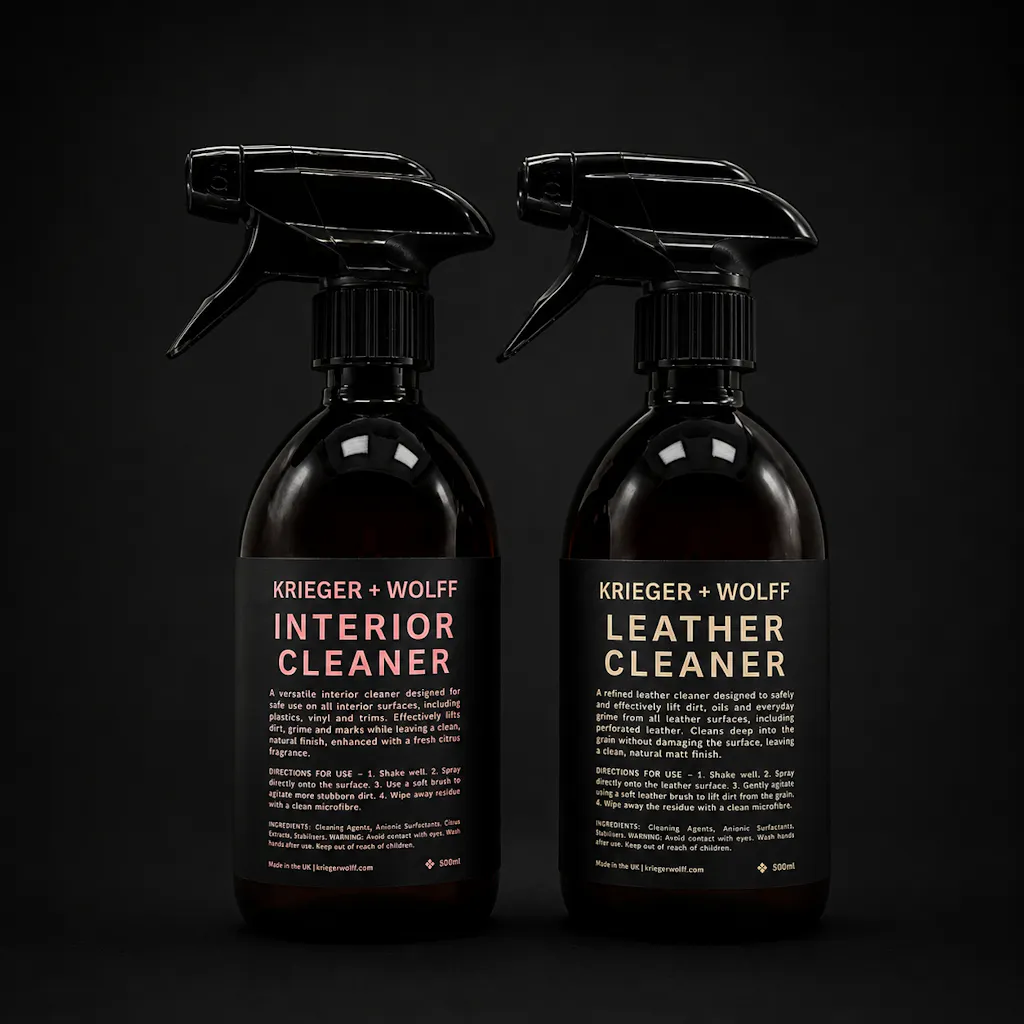
I used this on seats, door cards and the steering wheel with consistently good results everywhere. Very versatile formula.
I've tried a lot of glass cleaners over the years and most either smear in sunlight or need constant buffing. This one genuinely surprised me. A couple of sprays, spread with a microfibre, quick wipe over and the glass was perfectly clear with no streaking at all. Used it inside and outside on my 5 Series and visibility afterwards was superb, especially driving at night in the rain. Feels like a properly premium product.
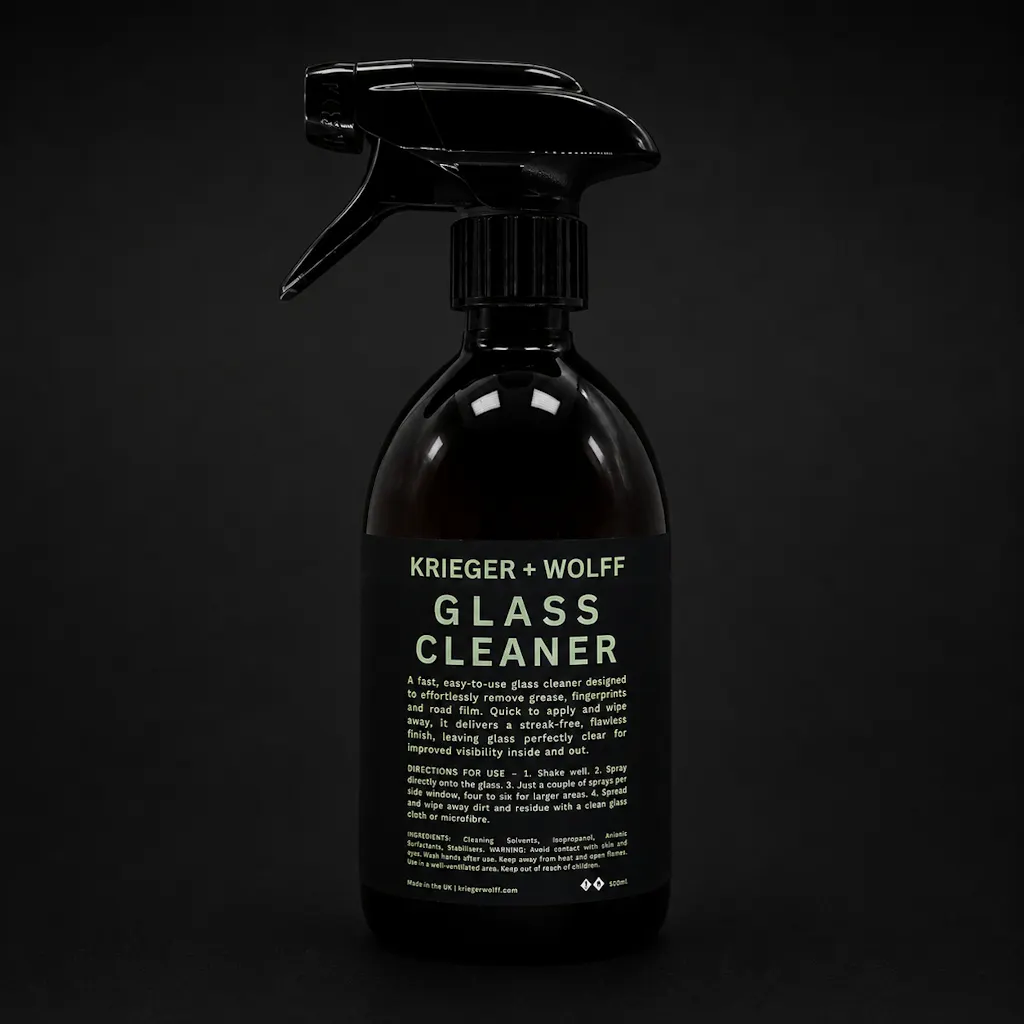
Used this over the weekend on my Range Rover and honestly couldn't fault it. The finish is crystal clear and completely streak free, even in direct sunlight. I also noticed it flashed off nicely without leaving residue behind. Feels like the sort of product you'd expect from a professional detailing studio.
I've tried a lot of leather cleaners over the years and this is one of the few that actually cleans deeply without leaving residue behind.
The combination of pre wash and ceramic foam works perfectly and the cannons feel built to last rather than disposable.
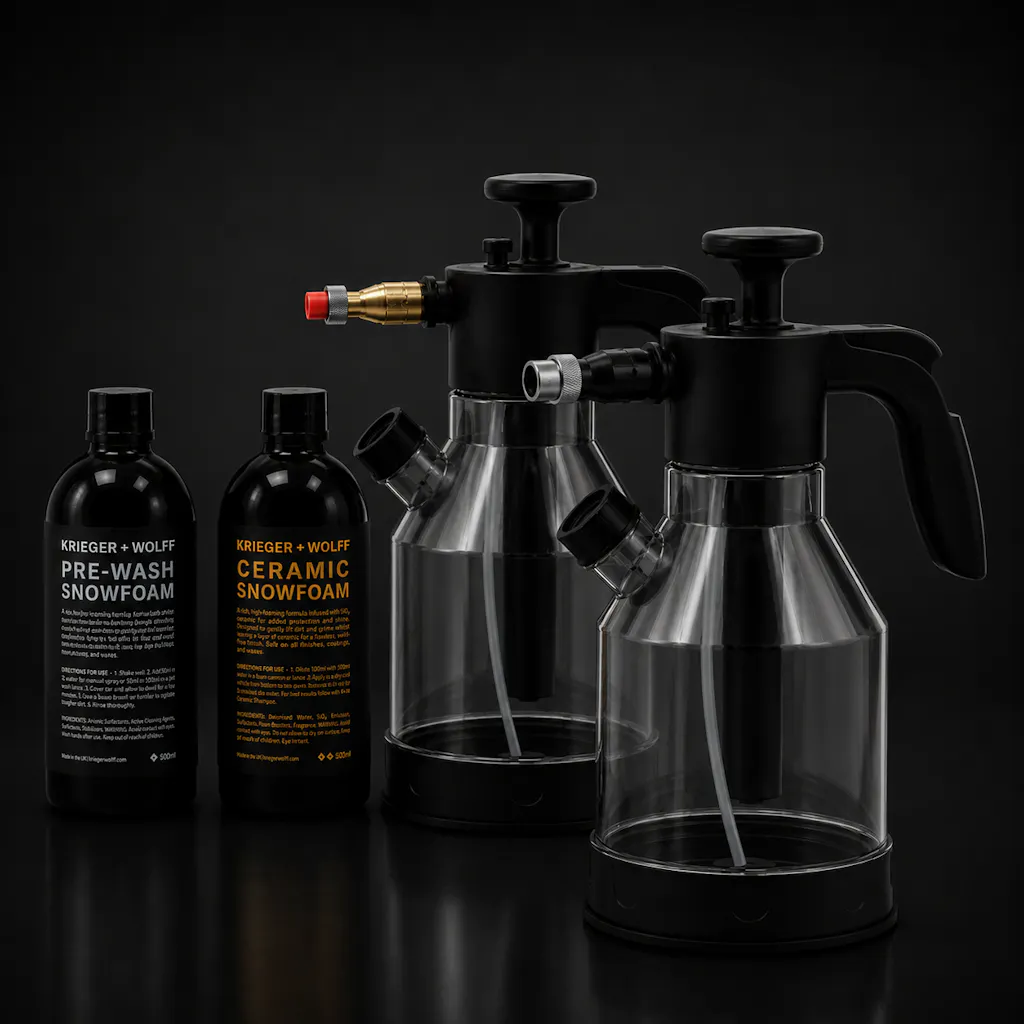
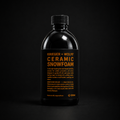
The ceramic foam noticeably boosts gloss levels and leaves the paintwork feeling very smooth after rinsing.
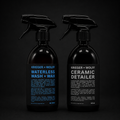
This kit genuinely covers everything needed to maintain the exterior properly. Very impressed with the consistency across the whole range.
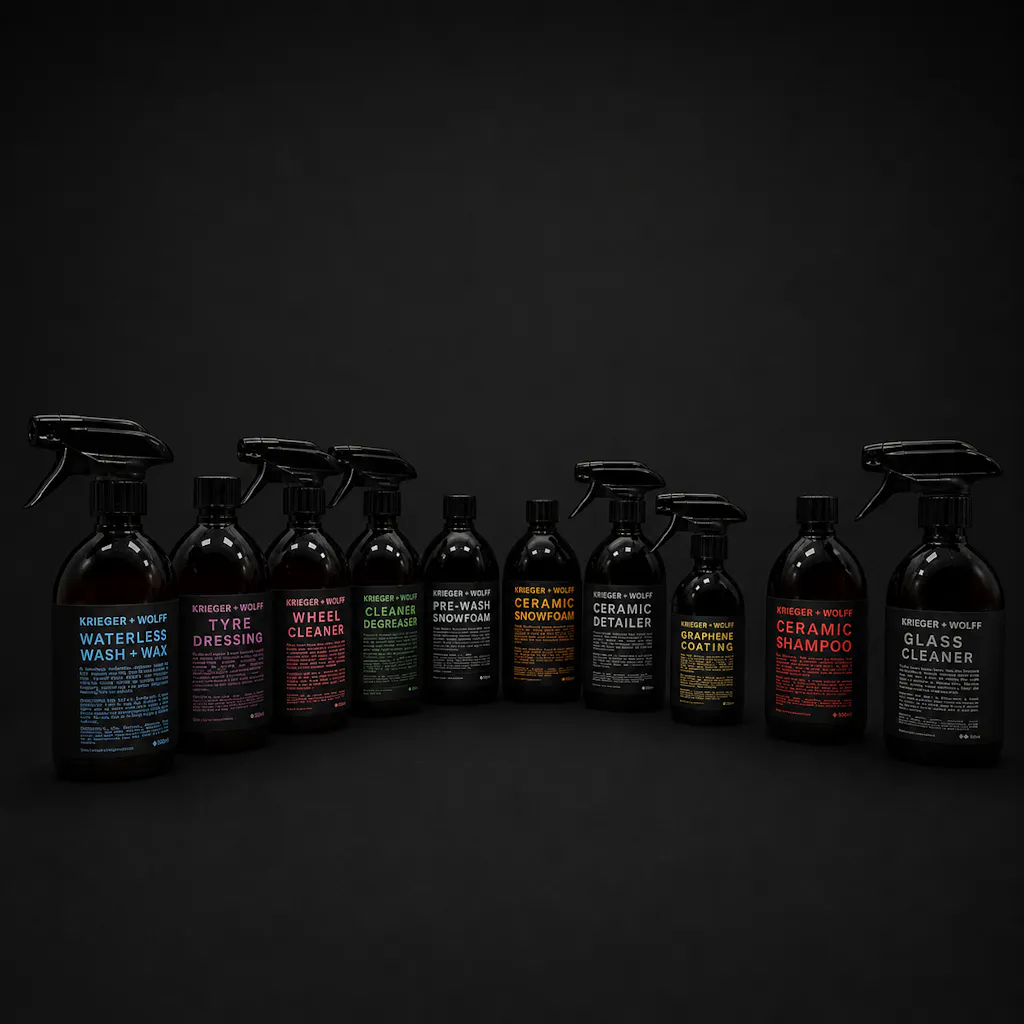
The ceramic foam leaves the finish slick and glossy while the pre wash handles heavier dirt really well beforehand.